Benefits of Metal Roofing for Energy Efficiency in Spring
Spring in Greater Western Sydney brings a pleasant shift from the colder months. However, it also signals rising temperatures that can increase household energy usage. Metal roofing offers significant advantages for energy efficiency, especially during spring, when temperatures fluctuate. Choosing a metal roof can keep your home cooler, reduce energy bills, and help create a comfortable living environment. In this article, we explore the benefits of metal roofing for energy efficiency during spring and how it can save homeowners money.
How Does Metal Roofing Reflect Heat?
Metal roofing has natural reflective properties. This means it can reflect a significant portion of the sun’s rays away from your home. During spring in Greater Western Sydney, solar radiation increases, leading to warmer temperatures. A traditional roof, such as one made from asphalt shingles, absorbs much of this heat. This heat then transfers into your home, increasing the need for air conditioning.
Metal roofs, especially those coated with reflective paint or finishes, can reflect up to 70% of solar radiation. This helps keep the roof surface cooler and prevents excess heat from entering your home. By reducing heat absorption, metal roofs contribute to a cooler indoor environment, which can decrease energy consumption during warmer spring days.
Reflective coatings, often referred to as “cool roof coatings,” are specifically designed to enhance a metal roof’s ability to reflect sunlight. These coatings can be applied in various colours, allowing homeowners to choose aesthetically pleasing options without compromising energy efficiency. Opting for lighter colours further improves reflectivity, making metal roofing an excellent choice for energy-conscious homeowners.
How Do Insulation and Metal Roofing Work Together?
While metal roofs are highly effective at reflecting heat, proper insulation is also crucial for maximising energy efficiency. Insulation acts as a barrier that prevents heat transfer between your roof and the interior of your home. During spring, daytime temperatures can be warm, while nights are cooler. This fluctuation can result in temperature swings inside the home if not properly managed.
Combining a reflective metal roof with high-quality insulation helps maintain consistent indoor temperatures. Insulation prevents heat from penetrating your living spaces during the day and retains warmth during cooler evenings. This balance reduces the workload on heating, ventilation, and air conditioning (HVAC) systems, ultimately leading to lower energy bills.
Homeowners should consider using insulation materials such as fibreglass, foam board, or reflective foil under a metal roof. These materials effectively reduce heat transfer and work in tandem with the metal roof’s reflective properties to improve energy efficiency. Proper installation is essential, and consulting with a professional roofing company like Hi Tech Metal Roofing ensures that insulation is fitted correctly to optimise its benefits.
What Is the Role of Ventilation in Metal Roofing Systems?
Ventilation plays a key role in improving the energy efficiency of metal roofing systems. Proper roof ventilation helps regulate attic temperatures, preventing heat from building up beneath the roof. In spring, as temperatures rise, a poorly ventilated attic can become extremely hot, transferring heat into the living areas below and forcing cooling systems to work harder.
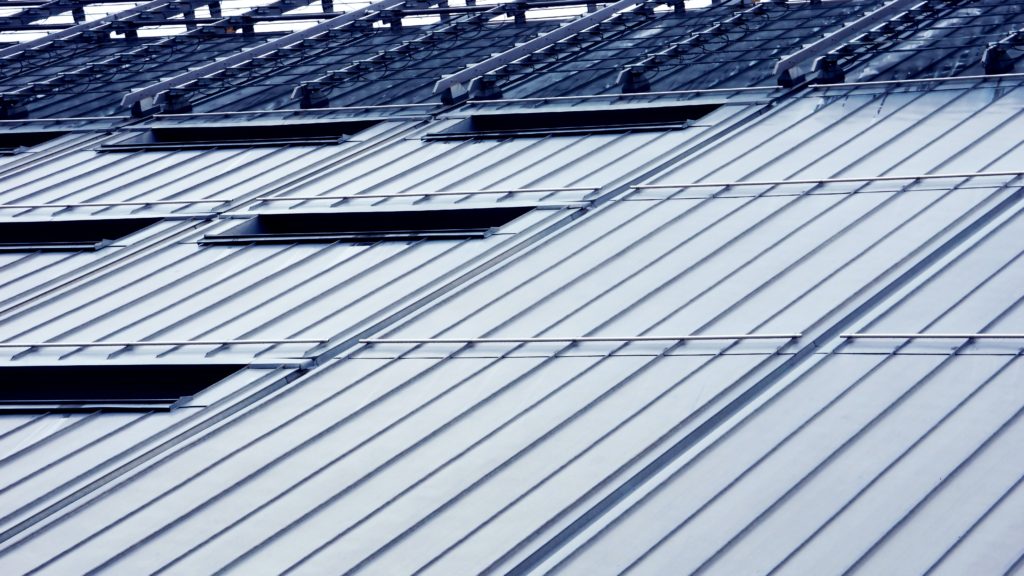
A well-designed metal roofing system includes ridge vents, soffit vents, or gable vents to allow for effective air circulation. These vents help expel hot air from the attic and draw in cooler outside air. This natural airflow prevents excessive heat buildup and reduces the strain on your cooling system.
The combination of reflective metal roofing, insulation, and effective ventilation creates a highly efficient system that keeps your home comfortable while reducing energy consumption. A professional roofing contractor can assess your current ventilation setup and recommend any improvements needed to maximise the energy efficiency of your metal roof.
How Does Metal Roofing Reduce the Urban Heat Island Effect?
The urban heat island (UHI) effect is a phenomenon where urban and suburban areas become significantly warmer than their rural surroundings. This effect occurs due to human activities, increased concrete surfaces, and the use of roofing materials that absorb and retain heat. In Greater Western Sydney, the UHI effect can lead to higher local temperatures, especially during spring and summer.
Metal roofing can help mitigate the UHI effect. Because metal roofs reflect solar radiation rather than absorb it, they contribute to lowering the overall ambient temperature in urban areas. This not only benefits individual homeowners but also helps reduce the energy demand of the surrounding community. When multiple buildings in a neighbourhood use reflective roofing, the cumulative effect can lead to a noticeable reduction in local temperatures.
Homeowners who choose metal roofing are making an environmentally responsible decision. By reducing heat absorption and reflecting sunlight, metal roofs contribute to a cooler environment, decreased energy consumption, and reduced greenhouse gas emissions. In this way, metal roofing supports both individual energy savings and broader community efforts to combat climate change.
How Does Metal Roofing Impact Cooling Costs?
One of the most significant advantages of metal roofing in terms of energy efficiency is its ability to reduce cooling costs. During spring, as temperatures rise, homeowners often rely on air conditioning to maintain a comfortable indoor environment. Metal roofing can significantly reduce the need for cooling by reflecting sunlight and minimising heat gain.
Studies have shown that homes with metal roofs can save up to 25% on cooling costs compared to homes with traditional roofing materials. These savings are achieved through the combined effects of reflectivity, insulation, and ventilation. By reducing the amount of heat that enters the home, metal roofing decreases the need for air conditioning, which directly impacts energy bills.
Additionally, the reduced need for cooling extends the lifespan of HVAC systems. Air conditioners that do not have to work as hard will experience less wear and tear, resulting in fewer repairs and a longer service life. This translates to additional cost savings for homeowners over time.
How Can Metal Roofing Be a Sustainable Choice?
Metal roofing is not only energy-efficient but also a sustainable roofing option. Most metal roofing materials are made from recycled content and are themselves fully recyclable at the end of their lifespan. This makes metal roofing an eco-friendly choice for homeowners looking to reduce their environmental footprint.
In addition to its recyclability, metal roofing is highly durable. It can last 40 to 70 years or more with proper maintenance, which means fewer replacements compared to other roofing materials. The longevity of metal roofs reduces the demand for raw materials and the energy required for manufacturing and installation, further contributing to sustainability.
Many metal roofing options are also compatible with solar panel installations. Solar panels can be easily mounted onto metal roofs, creating an even more energy-efficient and sustainable roofing solution. By generating renewable energy and reducing reliance on fossil fuels, metal roofing paired with solar panels offers significant environmental benefits.
Why Should You Consider Metal Roofing for Energy Efficiency?
The benefits of metal roofing for energy efficiency are evident, particularly during the spring months in Greater Western Sydney. Reflecting sunlight, reducing heat gain, and minimising energy consumption all contribute to a more comfortable and cost-effective home. When combined with proper insulation and ventilation, metal roofing provides a comprehensive solution for maintaining indoor comfort while reducing reliance on air conditioning.
Choosing metal roofing also means making an environmentally responsible decision. By reducing the urban heat island effect, supporting sustainability through recyclability, and enhancing energy efficiency, metal roofs offer both immediate and long-term benefits.
Why Invest In A Metal Roof In The Greater West of Sydney
Spring in Greater Western Sydney brings warmer temperatures, but it doesn’t have to bring higher energy bills. Metal roofing offers a range of benefits that make it an excellent choice for homeowners seeking energy efficiency. Reflecting heat, improving ventilation, and working in tandem with proper insulation, metal roofs create a comfortable indoor environment while reducing cooling costs.
Investing in a metal roof not only saves money but also supports sustainability efforts and helps combat the urban heat island effect. If you are considering upgrading your roof or want to learn more about the energy-efficient benefits of metal roofing, reach out to Hi Tech Metal Roofing today. Our team of experts is ready to provide the information and services you need to make the best decision for your home.